The Fascinating World of Cavendish Bananas: History, Benefits, and Tips for Enjoyment

Bananas are among the most popular fruits worldwide, and the Cavendish banana stands out as the most commonly consumed variety. This fruit has a rich history, plays a vital role in global agriculture, and offers numerous nutritional benefits. Whether you enjoy them as a quick snack or in your favorite recipes, understanding the story behind Cavendish bananas can deepen your appreciation for this humble fruit.
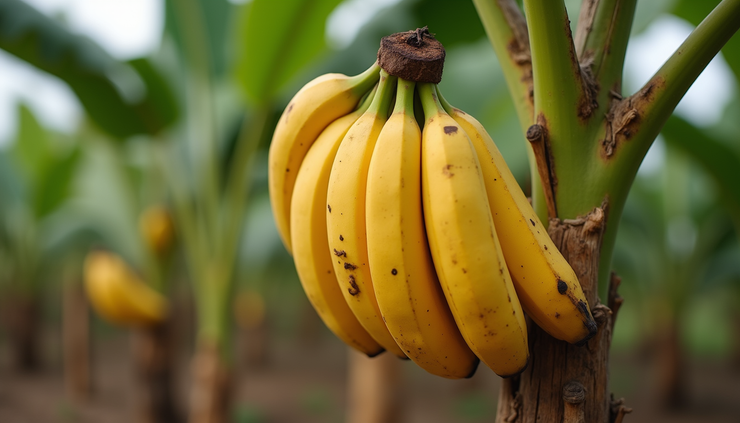
The History of Cavendish Bananas
The Cavendish banana's journey began in the 19th century. Before the Cavendish became dominant, the Gros Michel banana was the leading export variety. However, a fungal disease called Panama disease wiped out Gros Michel plantations worldwide. This crisis led to the search for a resistant banana variety.
The Cavendish banana, named after William Cavendish, the 6th Duke of Devonshire, was identified as a suitable replacement. It was initially cultivated in greenhouses in England before being introduced to tropical regions for commercial farming. Its resistance to Panama disease and ability to withstand shipping made it the ideal choice for global markets.
Today, Cavendish bananas dominate international trade, accounting for nearly half of all banana exports. They are grown mainly in countries like Ecuador, the Philippines, Costa Rica, and Colombia, where the climate supports large-scale cultivation.
How Cavendish Bananas Are Grown
Cavendish bananas thrive in tropical and subtropical climates. They require warm temperatures, high humidity, and well-drained soil. Farmers plant banana suckers, which are shoots that grow from the base of mature plants. These suckers develop into new banana plants, ensuring continuous production.
Banana plants take about 9 to 12 months to produce fruit. Each plant produces a single bunch of bananas, which can contain up to 200 individual bananas. After harvesting, the plant is cut down, and new suckers take its place.
Farmers carefully manage pests and diseases, especially since Cavendish bananas are genetically identical clones. This lack of genetic diversity makes them vulnerable to diseases like Tropical Race 4 (TR4), a strain of Panama disease threatening banana crops worldwide.
Nutritional Benefits of Cavendish Bananas
Cavendish bananas offer several health benefits, making them a nutritious addition to any diet. Here are some key nutrients and their benefits:
Potassium: Supports heart health and helps regulate blood pressure.
Vitamin C: Acts as an antioxidant and supports the immune system.
Vitamin B6: Important for brain development and function.
Dietary Fiber: Aids digestion and promotes gut health.
Natural Sugars: Provide a quick source of energy without added sugars.
A medium-sized Cavendish banana contains about 105 calories, making it a healthy, low-calorie snack. Its natural sweetness and creamy texture also make it a favorite ingredient in many recipes.
Common Uses of Cavendish Bananas in Recipes
Cavendish bananas are incredibly versatile in the kitchen. Here are some popular ways to enjoy them:
Smoothies: Blend bananas with yogurt, berries, and spinach for a nutritious drink.
Baking: Use mashed bananas in muffins, bread, and pancakes for natural sweetness.
Snacks: Slice bananas over cereal or peanut butter toast.
Desserts: Add bananas to ice cream, puddings, or fruit salads.
Cooking: Fry or grill bananas for a warm, caramelized treat.
Their creamy texture and mild flavor make them suitable for both sweet and savory dishes. For example, in some cultures, bananas are cooked with spices or used in curries.
Interesting Facts About Cavendish Bananas
Cavendish bananas are technically berries.
They do not grow on trees but on large herbaceous plants.
Each banana plant produces only one bunch of bananas before it dies.
The banana peel changes color from green to yellow as it ripens, signaling sweetness.
Bananas float in water because they are less dense than water.
These facts highlight the unique nature of the Cavendish banana and its role in agriculture and culture.
Tips for Selecting and Storing Cavendish Bananas
Choosing the right bananas and storing them properly can enhance your enjoyment:
Selecting Bananas
Look for bananas with bright yellow skin and a few brown spots for optimal ripeness. Green bananas will ripen over a few days at room temperature. Avoid bananas with large bruises or mold.
Storing Bananas
Keep bananas at room temperature until ripe. To slow down ripening, separate bananas from the bunch or wrap the stems with plastic wrap. Once ripe, you can refrigerate bananas; the skin may darken, but the fruit inside stays fresh longer.
Ripening Bananas Faster
Place bananas in a paper bag with an apple or tomato. The ethylene gas from these fruits speeds up ripening.
Using Overripe Bananas
Overripe bananas are perfect for baking or freezing for smoothies.
Final Thoughts on Cavendish Bananas
The Cavendish banana is more than just a common fruit. Its history reflects resilience and adaptation in agriculture, while its nutritional profile supports healthy eating. By understanding how to select and store these bananas, you can enjoy their flavor and benefits to the fullest.


Comments